Sandpoint's homes are a mix of lake cottages, timber-frame houses, and century-old bungalows. Each structure brings its own plumbing quirks: cast-iron drains that sag after decades, homes with shallow winterized lines, and seasonal visitors who overload older systems. For a plumber in Sandpoint ID to earn trust, speed and reliability matter, but so does the ability to diagnose without tearing open walls. Believe Plumbing built a different model around that reality, using technology not for show but to reduce guesswork, speed repairs, and protect homeowners' budgets.
Why technology matters here comes down to three concrete risks: unnecessary demolition when a hidden leak is misdiagnosed, repeat visits because the root cause was missed, and delayed repairs that let water do structural or mold damage. Those are outcomes any homeowner wants to avoid, and a plumber company in Sandpoint that leans on data and modern tools can prevent them.
How Believe Plumbing approaches repairs
When a customer calls, the first diagnosis begins before a van leaves the shop. Dispatch uses a cloud scheduling tool that shows field technicians' live locations, skill sets, and what tools they already have in the truck. That matters because Sandpoint's neighborhoods range from tight downtown alleys where backing a truck is a pain, to remote properties where a technician might be gone for half a day once he arrives. Matching the right person reduces wasted time and increases the chance that the initial visit resolves the problem.
On arrival, the job becomes a combination of old-school plumbing judgment and focused technology use. For example, a renter calls about a persistently damp patch on a second-floor ceiling. A typical response from plumbers who rely on gut-check methods is to open drywall near the wettest spot and trace outward. Believe Plumbing instead starts with a few targeted steps: moisture meters to map dampness, a small thermal camera for temperature differentials across a ceiling, and a micro video camera down the nearest drain or trap. Often that combination rapidly pinpoints whether the issue is a slow drain backup, a pinhole leak in a supply line, or an attic condensation problem. The difference between opening one small section of drywall versus a whole ceiling matters in cost and time.
Key tools and how they're used
Thermal imaging. Used to scan walls and ceilings for unusual temperature patterns that reveal hiding leaks or cold-pipe condensation. Thermal cameras are not a magic wand; temperatures can mislead if sunlight or recent HVAC activity skews readings. A skilled technician interprets images in context — for instance, a cool strip near a window might be cold air infiltration rather than a pipe failure. In Sandpoint, where mornings can dip below freezing, thermal scans taken at consistent times avoid false positives.
Video inspection cameras. Flexible sewer and drain cameras with 360-degree vision go down traps, through sewer lines, and into storm drains. Instead of assuming tree roots are the issue on a slow main, Believe Plumbing feeds a camera and records footage, timestamps, and precise location. That's invaluable when coordination with a township or neighboring property becomes necessary. The footage also documents damage for insurance claims, an often overlooked use of the tool.
Hydrostatic and electronic leak detection. For slab leaks or hidden supply line leaks, Believe Plumbing uses a mix of pressure testing and electronic listening devices. Electronic amplification lets a technician hear a subtle hissing under concrete, then triangulate the source before scoring the slab. Hydrostatic tests confirm whether a suspected section actually loses pressure. Together, these tools cut the exploratory phase from hours to a targeted hour or less in many cases.
Digital diagnostics and documentation. Every inspection leads to photos, camera footage, and a short diagnostic report uploaded to the company's cloud. Homeowners receive a link, a plain-language explanation, and often a short clip showing the problem. This transparency reduces confusion and builds trust. When complex repairs require parts ordered from specialty suppliers, the documentation keeps everyone aligned on what was found.
Why this tech-first approach changes outcomes
Fewer unnecessary repairs. Technology lets technicians verify the cause before recommending invasive fixes. For homeowners, that means less chance of paying to replace a pipe section that was not the problem.
Faster resolution for common issues. A clogged main exposed as tree-root intrusion on camera is treated that day with hydro jetting or sectional repair, rather than first attempting snaking that will only offer temporary relief. In routine drain clogs, Believe Plumbing's route analytics show the quickest path through town so the right truck arrives within a promised window, not "sometime this afternoon."
Clearer cost estimates. When the issue is recorded and dated, estimates stop being vague. Homeowners can see the exact location of damage, the extent, and why a certain method is recommended. That reduces the back-and-forth and accelerates decisiveness, which homeowners appreciate when they're managing budgets.
Examples from the field
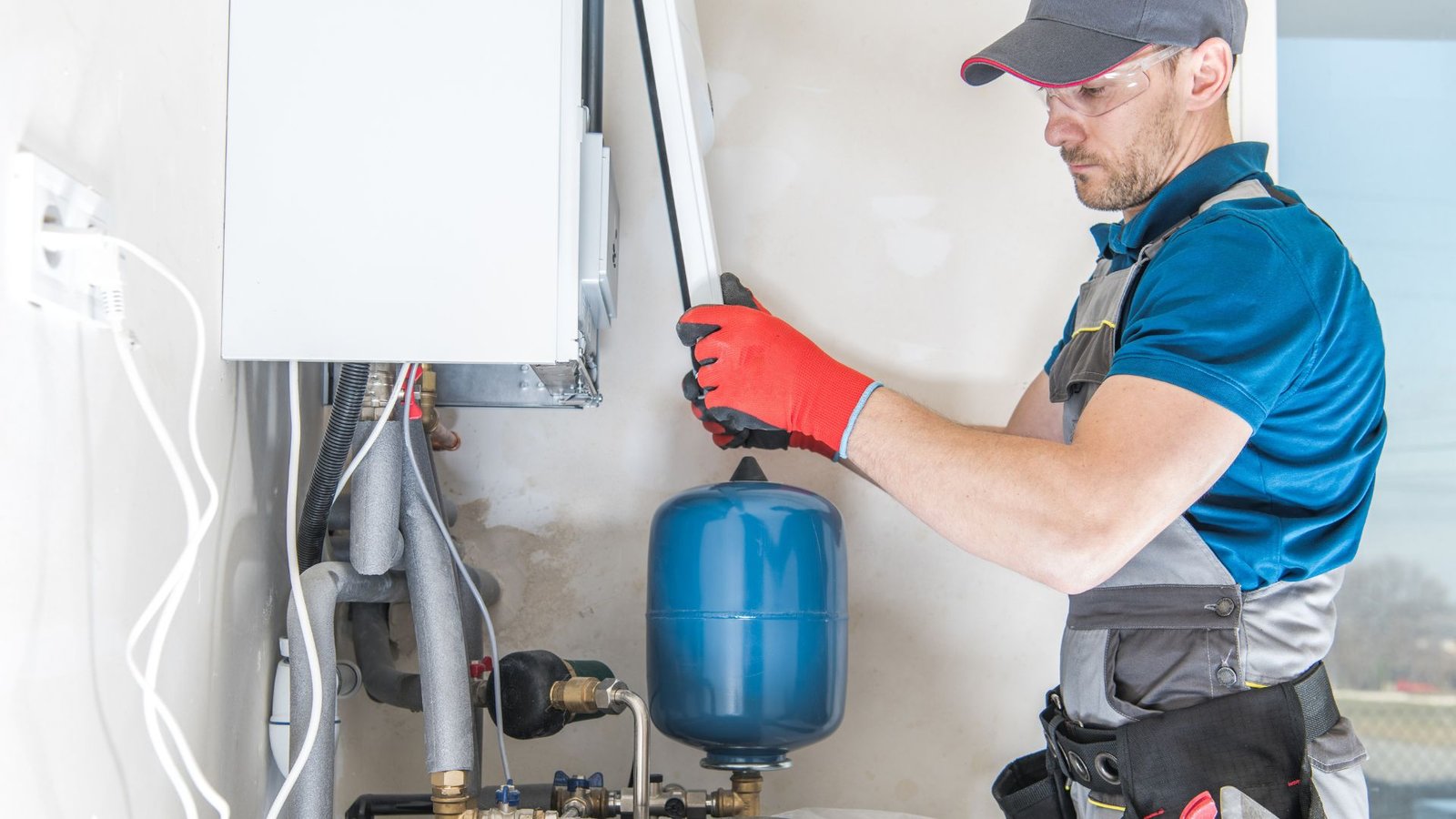
A Sandpoint lakeside bungalow had chronic slow drains in the kitchen and laundry. Previous plumbers had snaked the line multiple times, each time an expensive short-term fix. Believe Plumbing ran a camera and found longitudinal root intrusion across a 15-foot run near the property line. The footage allowed the homeowner to apply for a shared-cost repair with an adjacent property that shared the line, and the team swapped a failing section for a more durable, root-resistant material. The repair lasted; the homeowner avoided repeated service calls and the shared-cost arrangement lowered out-of-pocket expense.
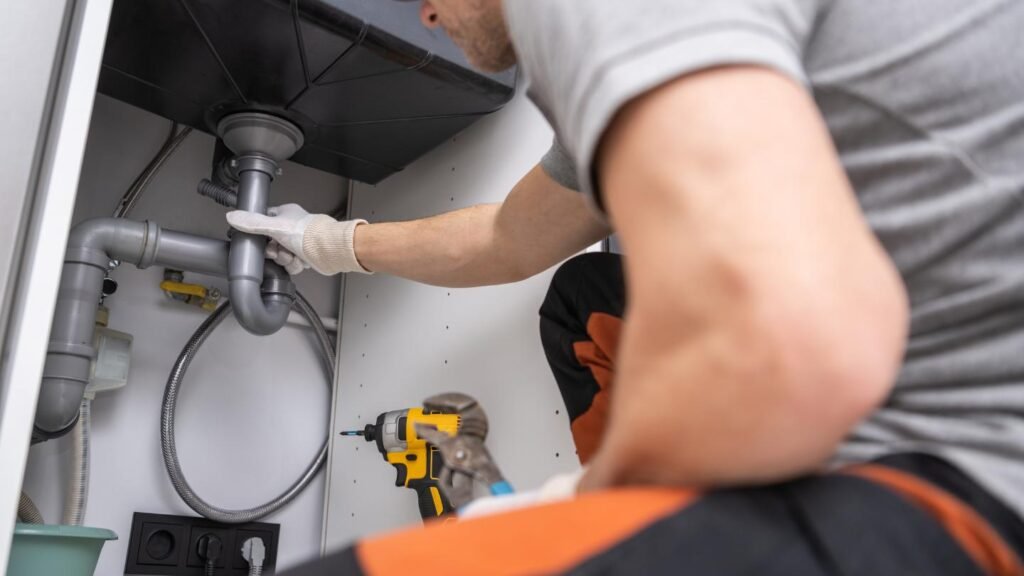
On a winter call, a homeowner reported a burst line in a crawlspace. Believe Plumbing's team used active leak detection and pressure testing to find a hairline fracture in a copper line that had not fully separated. Rather than excavate the whole crawlspace, technicians excavated a focused 3-foot square area, executed a soldered repair, and insulated the line to prevent reoccurrence. The whole job, from arrival to finished repair, took about three hours — considerably faster than the multi-day excavation some companies default to.
Integrations that keep operations tight
Inventory management linked with scheduling helps the company avoid trips that come back to the shop for a forgotten part. If a technician's tablet shows a job labeled "replace pressure-reducing valve and repair 1/2 supply," the system confirms whether the shop has the valve in stock. If not, the booking system can send the closest technician who has one in his truck. That interlock reduces duplicate trips, a small but meaningful cost for crews that serve a geographically dispersed area like Bonner County.
Customer communications use automated confirmations and technician ETAs via text, including a live map showing the van's approach. Penned messages are personalized — not generic — explaining what to expect and any steps the homeowner should take, such as shutting off the water if the crew will be working on the main. Clear communication matters more when access is difficult. One homeowner told the dispatcher that a narrow driveway required the truck to be staged two blocks away. The technician arrived prepared with a pressure washer and 50 feet of hose so he could reach the outdoor shutoff without hauling heavy gear across gravel.
Trade-offs and when technology is not appropriate
Technology is powerful but not an end in itself. There are trade-offs and limits that experienced plumbers know to weigh.
Time versus cost. Running a camera down a line takes time, which adds labor cost. For a cheap, obvious clog where https://callbelieveplumbing.com/ a homeowner wants the fastest, lowest-cost fix and accepts potential recurrence, a quick snake may be reasonable. Believe Plumbing advises clients on that trade-off: if the clog is a one-off due to a known incident, a snake is sensible; if it recurs, the camera is the smarter long-term investment.
False confidence from tools. A camera will show the inner surface of a pipe but not reveal pipe-wall integrity beyond what is visible. Similarly, a thermal scan can suggest a leak but cannot replace targeted physical verification. The company's technicians treat tools as decision aids, not definitive answers. That discipline prevents misdirected repairs.
Cost of equipment and passing that to customers. High-quality cameras, thermal imagers, and leak detectors represent substantial investment for a small plumber company in Sandpoint. Believe Plumbing amortizes that cost across jobs and often includes diagnostic fees that are credited toward repair if the customer proceeds. The outcome is fewer repeat service calls and clearer repairs, but homeowners should expect that a more thorough initial diagnostic may cost more than a quick, surface-level service call.
How Believe Plumbing trains for judgment, not just tool use
Training focuses on interpretation and decision-making. A technician who can run a camera but misreads footage causes harm. The company pairs apprenticeships with scenario training: technicians review past jobs, see diagnostic footage, and discuss alternative actions. They also practice communicating findings to homeowners in nontechnical language, showing what the camera saw and why a particular repair plan makes sense.
Field mentoring matters. Junior techs often ride with veterans on complex jobs, watching not just the tools but the sequencing of questions, the decision to pause and test further, and the choice to involve a specialist. That captures tacit knowledge — when to dig, when to seal, when to replace — that no manual replicates.
Safety and local codes
Technology reduces guesswork but must align with code and safety. For example, hydro jetting an older clay line without first using a camera risks dislodging a collapsed section into the sewer, creating a larger problem. Believe Plumbing follows a code-aware workflow: initial camera, assessment of material and joint integrity, then selection of the right cleaning method. For projects requiring excavation near property lines or public right-of-way, the company coordinates with local utilities and the city of Sandpoint to avoid hitting unmarked conduits.
Pricing and transparency
Believe Plumbing's diagnostic-first approach can change how pricing is presented. Instead of a single all-purpose "trip charge," invoices separate the diagnostic fee, repair labor, parts, and optional upgrades like root-resistant pipe. Diagnostic fees are often credited when repairs are performed. Pricing transparency helps customers understand why a given repair is recommended and provides documentation for insurance claims.
When to call a plumber in Sandpoint, and what to expect
Call sooner rather than later for any persistent damp area, recurring clog, or unexplained spike in water bills. Even modest leaks can escalate into structural rot or mold in a matter of weeks, especially in poorly ventilated spaces. When you call a plumber company in Sandpoint like Believe Plumbing you should expect a few practical things:
- a scheduled arrival window with a live ETA, a technician who carries diagnostic tools and explains findings with photos or video, a clear estimate that distinguishes diagnosis from repair and documents the condition for insurance.
Choosing a plumber Sandpoint residents trust
A good plumber does more than fix pipes; they protect your home and your budget. In Sandpoint, where water weather and older homes complicate simple problems, technology used well equals fewer surprises. Believe Plumbing's approach demonstrates that investment in tools, training, and transparent processes yields measurable benefits: faster fixes, fewer repeat calls, and clearer communication.
If your next plumbing problem feels uncertain, ask specifically whether the technician will use diagnostic tools like a camera or thermal scan, whether diagnostic charges are credited to repair, and how the company documents findings. Those questions separate technicians who rely on guesswork from a plumber in Sandpoint who uses evidence to guide durable repairs.
A final practical note
Technology will not replace the need for experienced judgment. It complements it. When cameras, thermal imagers, and electronic detectors are in the hands of technicians who understand when to listen, when to probe, and when to stop, repairs become less invasive and more certain. For many Sandpoint homeowners, that means less stress, lower long-term costs, and a contractor relationship built on results you can actually see. Believe Plumbing built its process around that principle, and the results show up in shorter jobs, fewer callbacks, and homeowners who sleep better knowing the fix was done right.
Believe Plumbing
819 US-2, Sandpoint, ID 83864
+1 (208) 690-4948
[email protected]
Website: https://callbelieveplumbing.com/